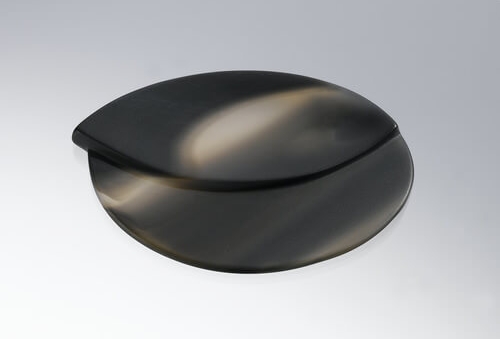
Idar Oberstein: Gem Center of Europe
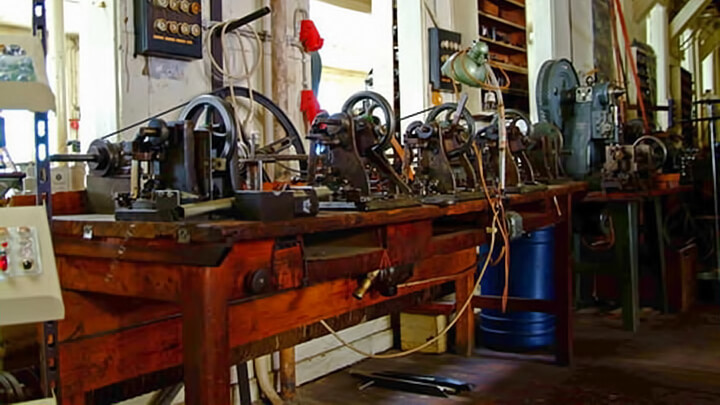
Idar Oberstein has a long history of working with gemstones where the first activities were recorded over 500 years ago. The first major activities started when miners found Amethyst and Agate in the area of the small towns of Idar and Oberstein, in the late 14th century. Amethyst in particular was considered extremely precious as it was one of the 5 “cardinal stones”. Many historians however believe that mining started much earlier, with the first mining activities dating back to Roman times.
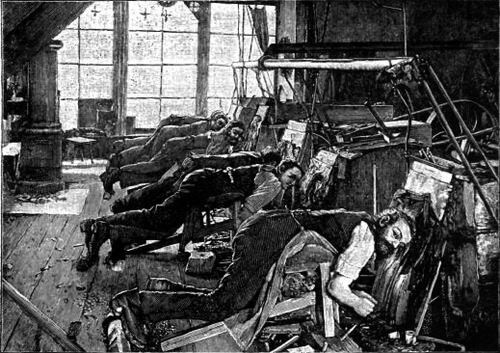
Things couldn’t have gone better for “Idar-Oberstein” after the discovery of precious stones: not only did they have the raw materials to build up an impressive gem-processing and cameo making industry, but they had the cheap resources to process the material as well. The river Nahe provided hydro-power that was channeled through superior technology to the polishing, cutting and grinding mills, necessary to produce, process and polish the mined gemstone material. Labour was considered to be extremely cheap as well. Author Emanuel describes the circumstances in the factories. It is interesting to note the parallels with present-day arguments for offshore production to lower cost countries. When local deposits were mined out, the region went into decline.
Idar Oberstein's New Boom
Idar-Oberstein underwent a new boom half a century later because of the huge Agate deposits found in Brazil by German immigrants. Shiploads of rough Agate were brought into the country as cheap ballast on empty vessels returning to Germany. The region had recovered and the industry was bigger than ever before.
In fact Idar-Oberstein kept innovating and created superior technologies in the chemical process of deying Agates and other gemstones. After all, by the early 20th century Germany had become a powerhouse in chemistry and this knowledge was also applied the gem industry as well. These were trade secrets that were protected by the local community for a long time. At that time several world experts in gemology wrote commentaries about these same processes, however noone had the insider knowledge to be able to give a detailed report. Some of the authors were: Edwin Streeter who wrote about coloring and burning of Agates in his famous work on gemstones (Page 62-65). Burnham wrote additionally about the dyeing of semi-precious stones and also Catelle wrote about some of the chemical ingredients.
In fact by the late 1920’s a very obscure book was published in English that contained most of the chemical formulae, but the publication was so obscure that most of these formulae and processes in fact remained trade secrets, many years after their publication.


The supply of cheap Agate from Brazil, in combination with cheap power from the river Nahe and their secret chemical dyeing processes, enabled Idar-Oberstein to compete with a low cost country like India and to become the world’s leading producer of cheap, colored, Agate beads. It may come as no surprise that by the early 20th century Idar-Oberstein counted 150 cutting shops making anything from goblets to beads. In fact in the early 1900’s the demand from the Soudan for Agate amulets (in particular those with a white ring) were so huge that single shops would export a total value of US$ 30.000 (1900 level) to that country alone. Beads were sold, through traders, around the globe, and through North African traders even to African tribes — which in their turn sold them to tourists and travelers from Europe who came to Africa in the early 20th century. Globalization avant la lettre !!
However not only Agate beads were made in Idar-Oberstein. The large volumes of rough material was a unique resource for artisans who were looking for this “unique piece of rough material” which they turned into superior gemstone objects such as cameos and goblets. Louis Kornitzer, one of England’s leading gem dealers in the beginning of the 20th century, writes an interesting anecdote about his encounters with a leading gem carver.
It is interesting to note that more or less at the same time, another hub in Europe encountered its major book: Torre del Greco in Italy. Where Idar Oberstein focused on Agate objects and cameos, Torre del Greco focused on cameos made of coral and shells as well as coral jewelry. There was definitely a European revival in high quality hand-made jewelry and objects d’art.
Idar Oberstein Continues to Reinvent Itself
After World War II, Idar Oberstein needed tofind a new niche for itself again. And as previously in history, it built on its traditions and started to reconnect with the rest of the world again. Gem traders from Idar Oberstein moved away from Agate and invested heavily in mines in Brazil and Africa which produced much rough of many different types of gemstones. Idar-Oberstein became a trading-center (with a true “Gemstone-Exchange building”, of rough and cut stones. As before with the large supplies of Agate alone, the large volumes of gemstone rough, enabled artists to choose the perfect rough for their “object d’art” and buy it at an incredibly low price as well.
That empowered new artists to develop new concepts, new techniques and create a next generation original designs, techniques and craftsmanship. In particular new techniques in the area of gem cutting, carving and cameo making were developed since the 1950’s. A new generation of artists was born which included the best gem cutters of the 20th century (such as Bernd Munsteiner and his son Tom Munsteiner; Erwin Pauly (and one of his sons Hans Ullrich Pauly), and Dieter Lorenz as well as newer generation designers.