|
|
Amber
|
- May be seen in yellow, orange and brown colours and rarely as blue and green.
- Impurities and organic substances cause colours in amber.
- Green and blue ambers are so perceived due to strong fluorescence in some amber from the Dominican Republic
|
|
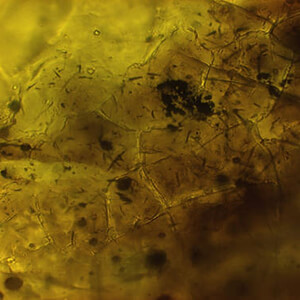
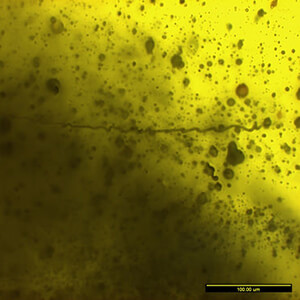
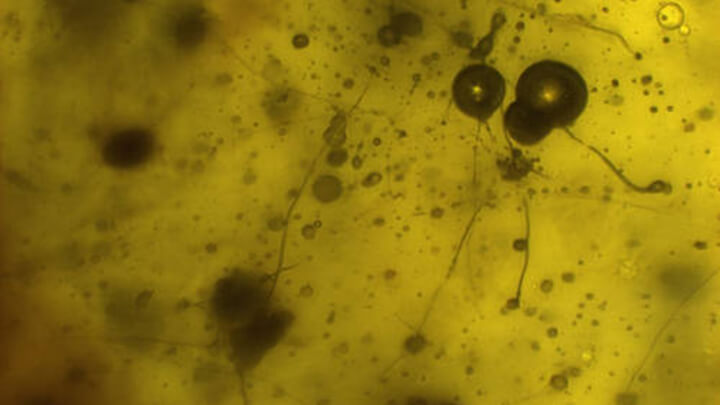
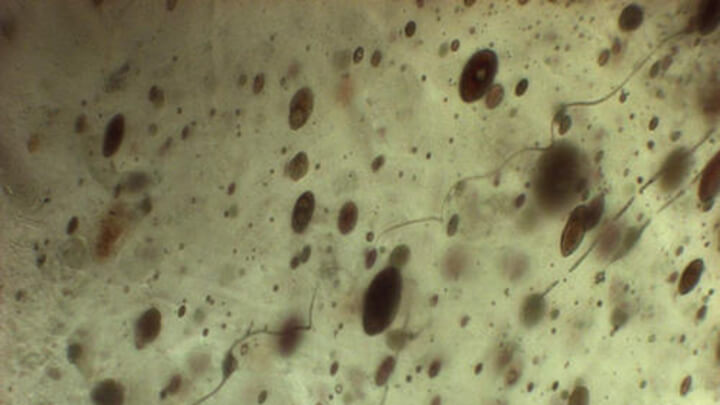
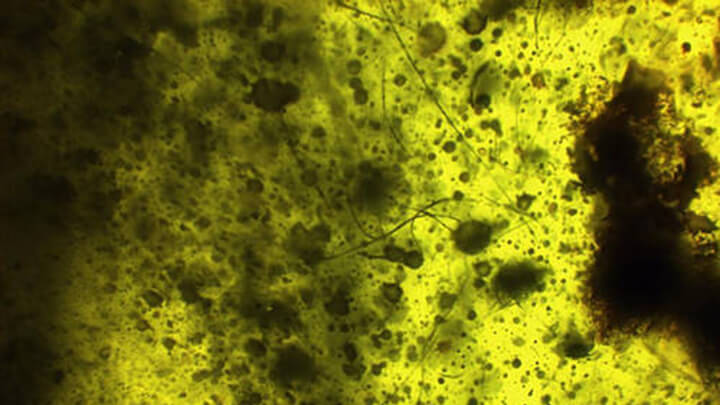
- Amber often possess gas bubbles which vary in size and quantity within each piece. In the space between the bubbles, the resin is clear
- The bubble inclusions actually interfere with the passage of light through the amber, resulting in the dilution and variation of color and opaqueness. For example, there are so many bubbles in milky amber, when examined under the microscope, it resembles sea foam – thus causing the solid milky color
|
(click on colour to find other gemstones) |
| |
|
|
|
|
|
|
- Heating in oil causes some cloudy amber to clarify, or to produce darker amber colours
- Amber is sometimes dyed to add a darker tone to lighter materials
- Two factors that affect the color of amber is air and the actual tree source
|
|
- Most amber is fashioned as cabochons or rounded or free-form beads, and are rarely faceted
|
|
|
- While rings using amber are used, the user must take special care
- Avoid rough handling, heat and chemicals for all amber
- They are soft, occasionally brittle, and porous enough to be attacked by acids
- Cleaning may be performed using a dampened cloth or a moistened soft bristle toothbrush
Strong colours in amber are considered collector items, as is any amber containing unusual insects. Entomologists seeking to understand a bygone world often collect these amber samples for further study.
|
|
|
Fashion: With ethnic colors and prints being a key look of the Spring/Summer 2010 fashion season, what better way to top off an ensemble than with a chunky amber necklace? You can't commit any fashion faux pas with this beaded beauty by Eduardo Garza.
|
|
World's oldest spiderweb preserved in Amber. Remarkable close-up photos and the story of its discovery
|
|
|
|
|
Amber
|
Amber | Baltic Amber | Different locations | Fossils
Rev. King in History of Precious Stones writes an extensive summary of all antique writers about Amber. He writes more about Amber here.
George Frederick Kunz in his Curious Lore of Precious Stones om "Amber Talismans " More on Talismans and use in Antiquity (Romans) in his Book "Magic of Jewels"
Feuchtwanger wrote an excellent treaty of 19th century locations and quality levels of Amber
Dieulefait writes extensively about Amber and occurences as well as history and appreciation. Ths illustration comes from that book.
Very rarely will we recommend another site in our library pages (we have the WWW Virtual Library for that). However an overview of "Amber" would not be complete without visiting the "Amber Portal" of Prof. Aber. Many pages, images, discussions, reviews and links are given on these pages. And she has therefore built one of the most extensive and knowledgeable resources online.
Greeks: "Theophrastus": discussion of a stone that turns out to be Amber (10 pages). Read of Roman, Greek uses and Damigeron as well.
Also try Amber chapter by early 16th century (pseudo-) Albertus Magnus
"Georg Agricola" in De Natura Fossilium" 10 pages on "Amber"
"Samuel Chapuzeau" in History of Jewels on "Amber"
"Nicols" in A Lapidary or History of Gemstones on "Amber"
|
George Frederick Kunz on Amber finds in the USA
Prof. Oliver Farrington: includes 19th century history, treatments and other gemstone info on Amber
Fernie: Gemstones for Curative Wear: Amber (8 pages overview, medical, talisman applications)
George Frederick Kunz did the reporting until 1907:
USGS 1883: Amber : Location. Descriptions, Values
|
|
|
|