RARE BOOK LIBRARY
Our Rare Book Library contains close to 100 antique & rare gemological streaming books (in English).

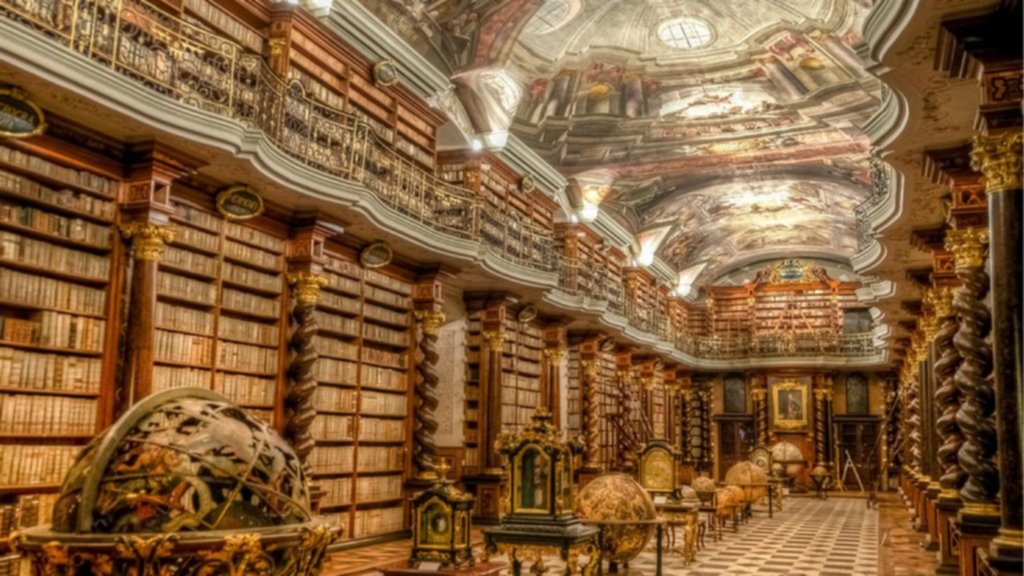
RARE BOOK LIBRARY
Our Rare Book Library contains close to 100 antique & rare gemological streaming books (in English).
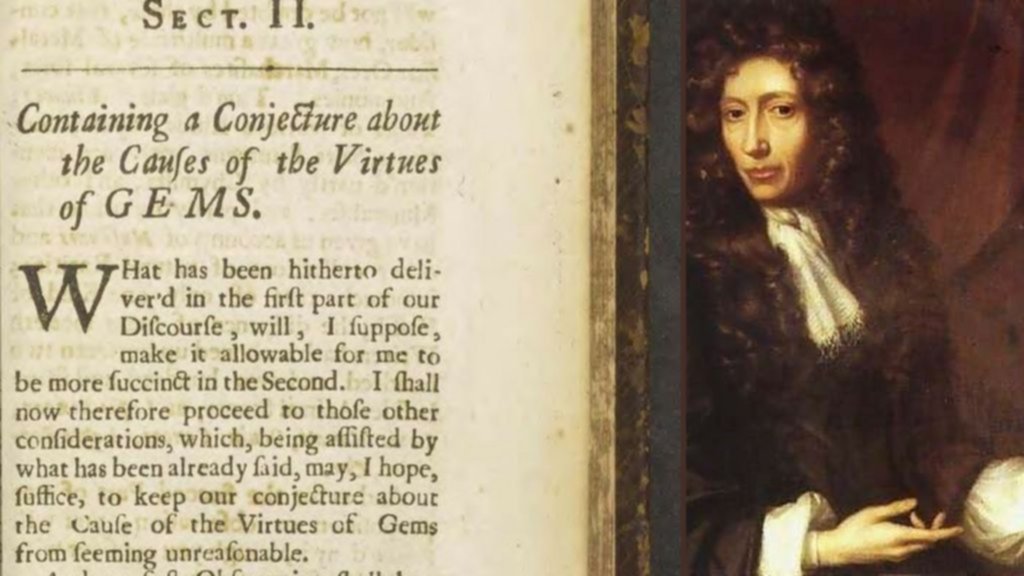
ACADEMIC RESEARCH
Historical books are usually found in the reference section at university libraries, if at all. Now you can research some of the most important works at your leisure and in the comfort of your home.
Scientific highlights include one of the first systematic descriptions of “Stones and Gems” by famous 17th century scientist Robert Boyle.
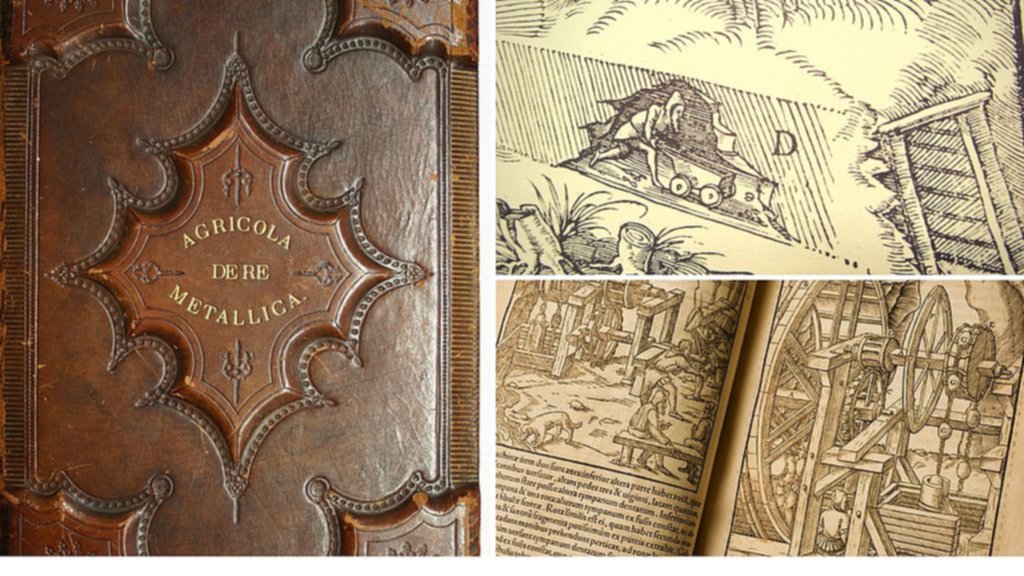
RAREST of BOOKS
Included in our library are some of the rarest gemmology books such as Agricola’s “De Re Metallica” which contains 100nds of high-resolution illustrations and historical information.
Several of his lesser well-known work on gemstones can be found as well.
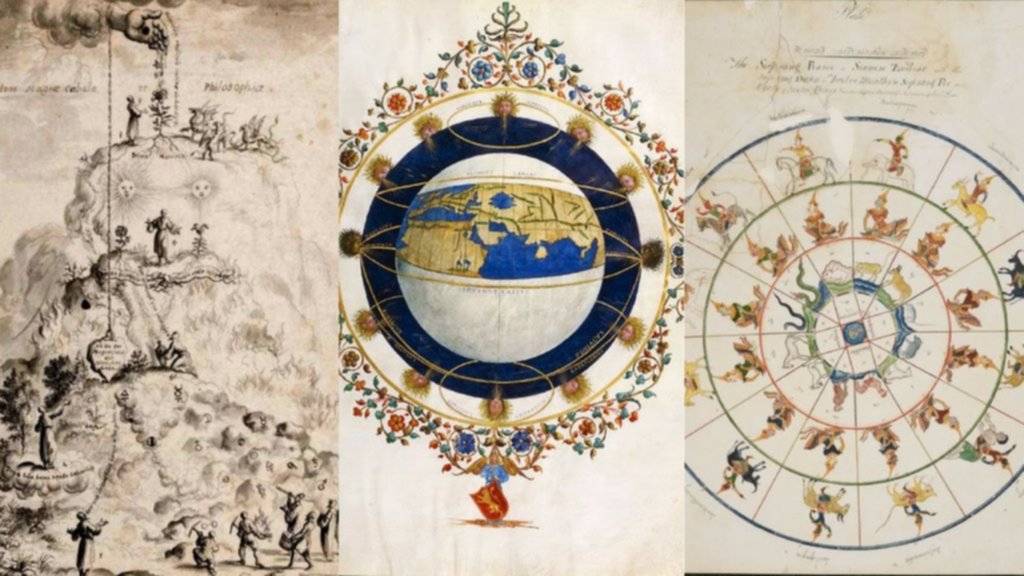
FUN & LORE
Curious about birthstones and their astrological symbolism?
Read about these strange, inexplicable powers passed down from generation to generation.
As provided and validated by various gemological organizations, laboratories and the “World Jewelry Confederation CIBJO”
Museums with Permanent and/or Temporary Exhibitions on Jewelry, Gems, and Objects & Personal Adornment of made of Precious Materials
PBS, The Nature Team
Dr. Frederik Hiebert National Geographic

Prof. Susie Aber Emporia State University

 The WWW Virtual Library (VL) is the oldest catalogue of the Web, started by Tim Berners-Lee, the creator of HTML and of the Web itself, in 1991 at CERN in Geneva. The VL pages are widely recognized as being amongst the highest-quality guides to particular sections of the Web.
Farlang is proud to manage the jewelry/diamonds/gemstone section of that directory now managed by his Geneva foundation.